| Click for |  | RUSSIAN | | language |
The tanks of WW1 info
| The world biggest tank was built in Russia in 1917 (the designer -
Lebedenko). "Netopyr" was the ugly and huge tricycle monster, weighing some 40t; the forward wheels were almost of
10 meters in diameter! The multiply armament emplaced in the left and right sponsors, and upper (bigger) and lower
(smaller) turrets. It was powered by 2x240hp engines and crewed by 15 men.
While it lacked luxury accessories most of the new military tanks offer today, this
tricycle tank got the job done. No one would want to be in the path of this tank's destruction.
|
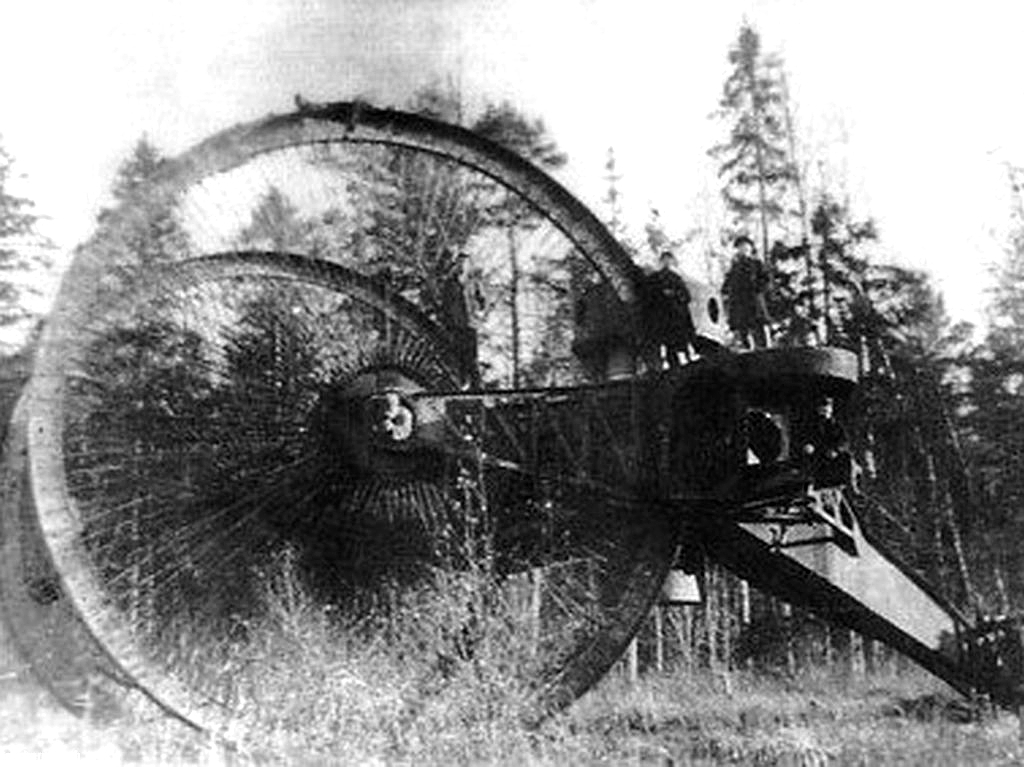
The " Tsar-Tank " aka " Netopyr " of Lebedenko. |
The 1st tank use
happened at 15th september 1916, during the battle of the Somme. 18 British Mk.I heavy tanks achieved the 5km breaktrough.
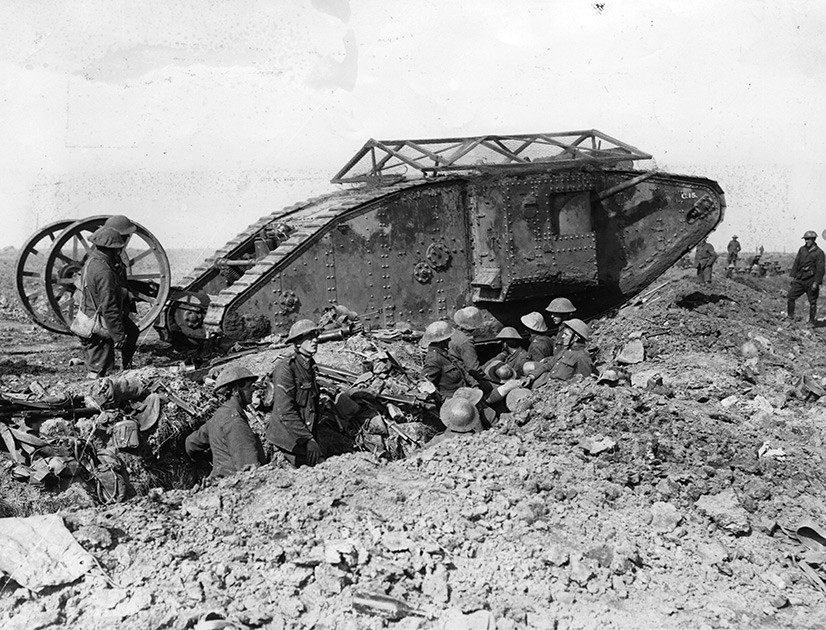
The British heavy tank Mk.I foto
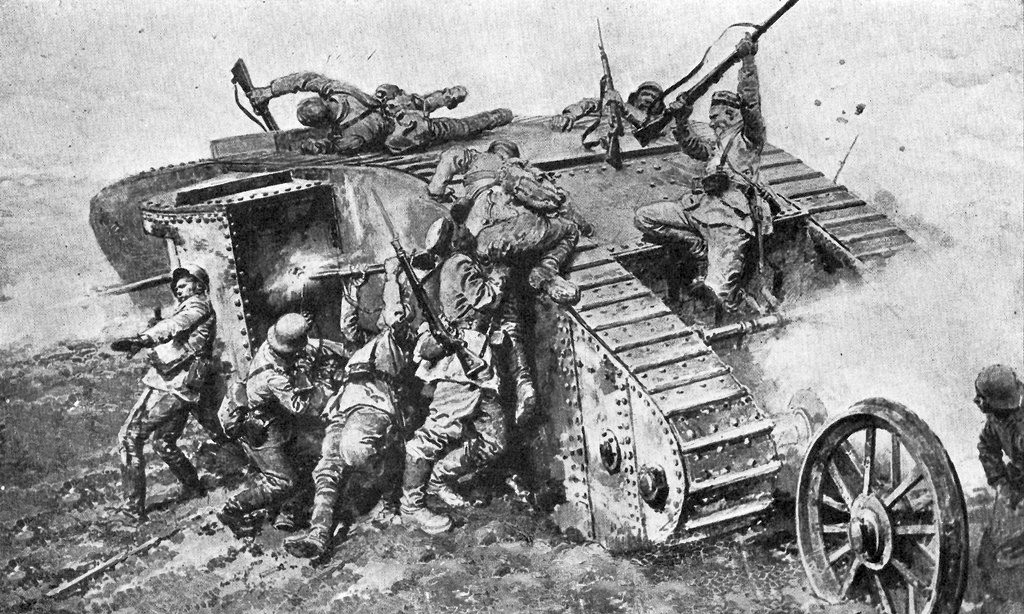
The heavy tank Mark I - Fortunino Matani
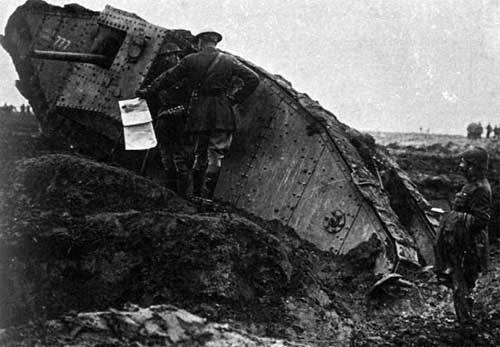
The heavy tank Mk.II number 777
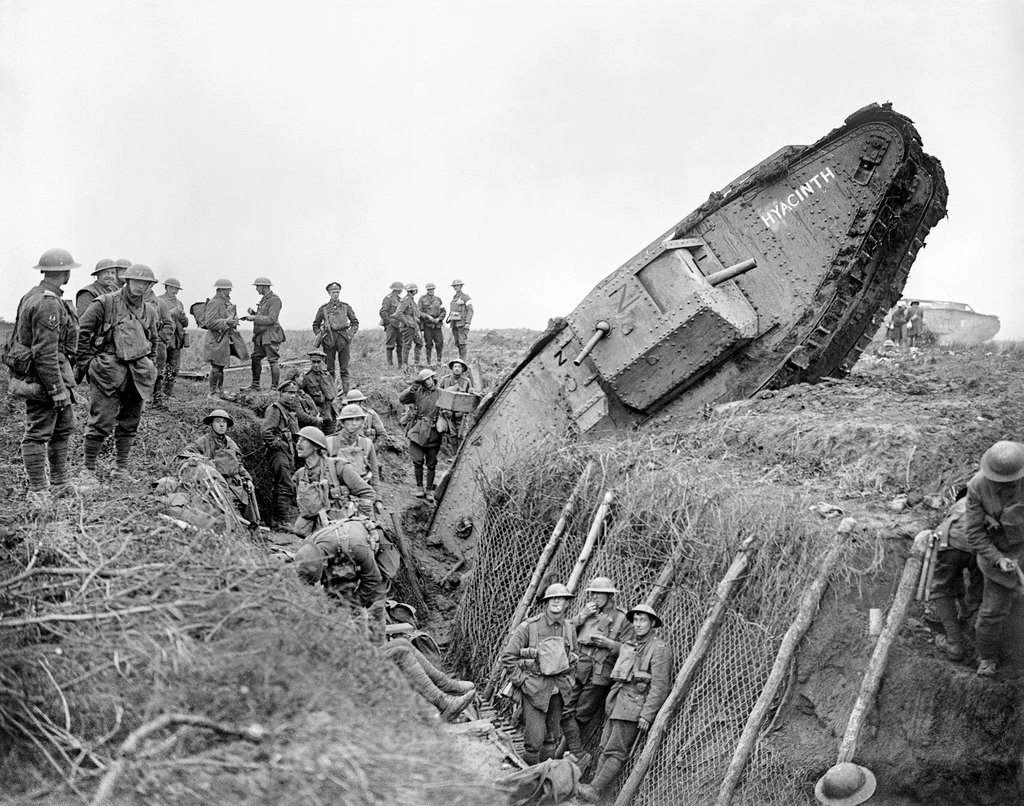
The British heavy tanks Mk.IV in 1917
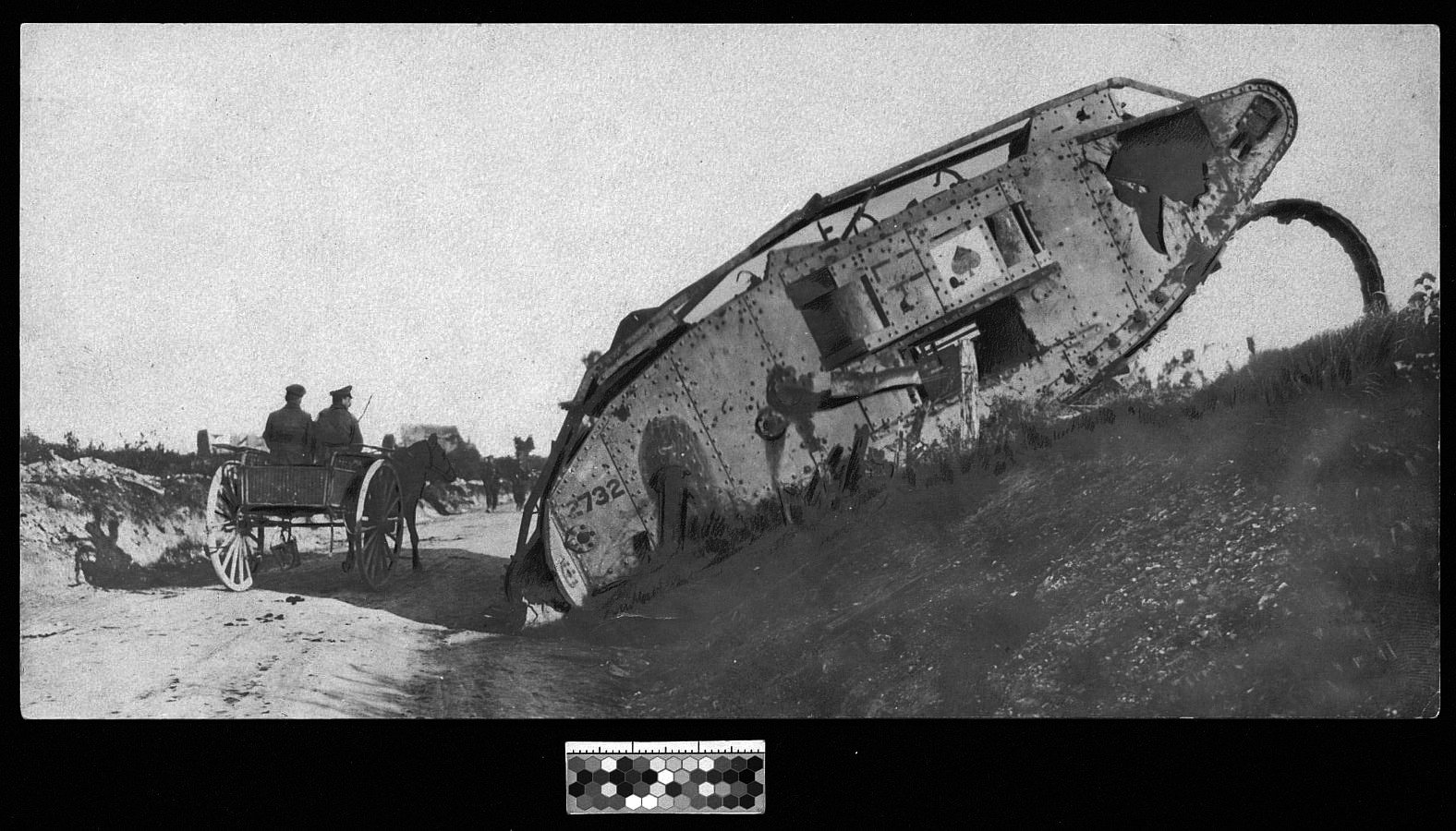
The destroyed tank number 2732 at Western front.
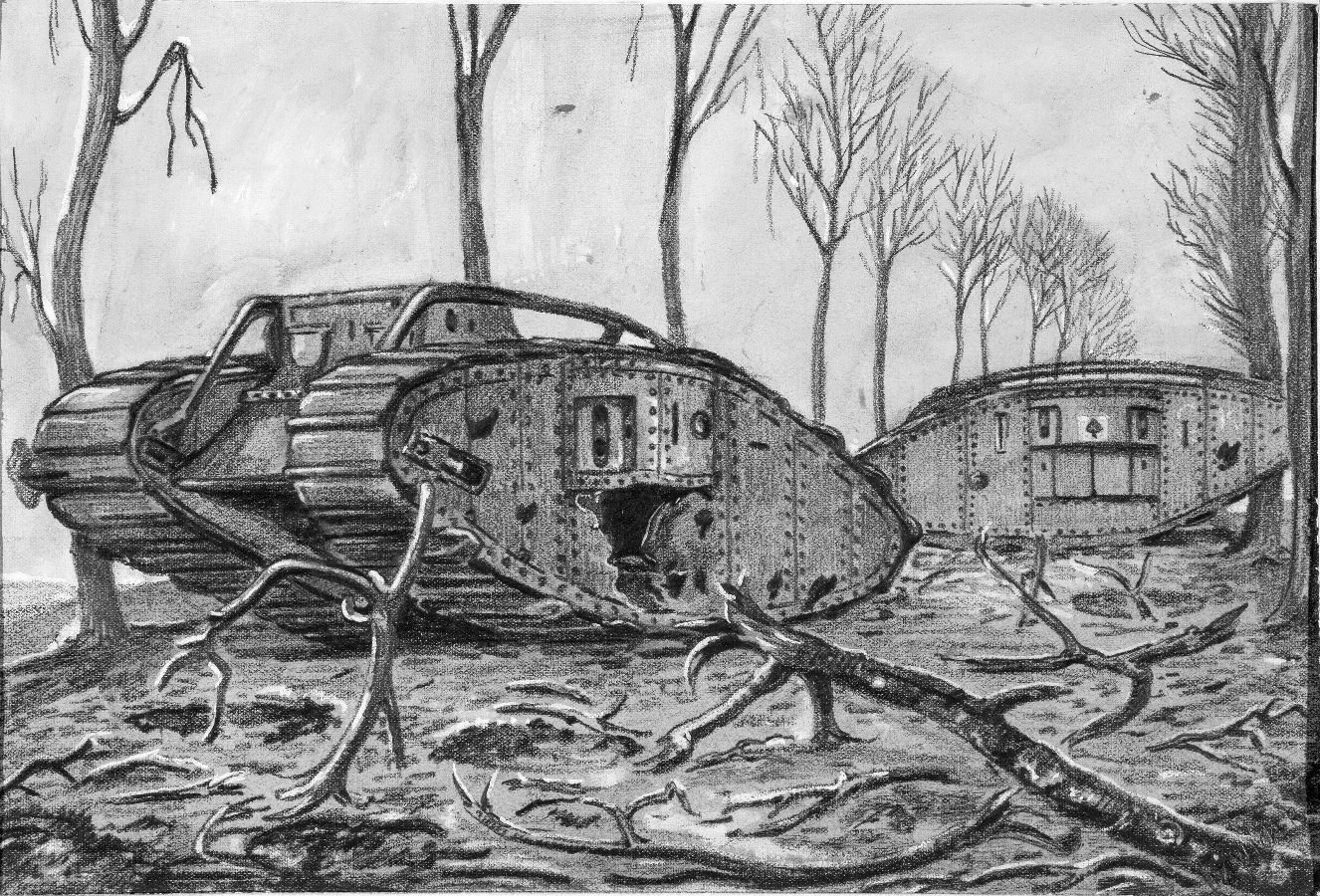
The destroyed British tanks - Zwicker H., 1918.
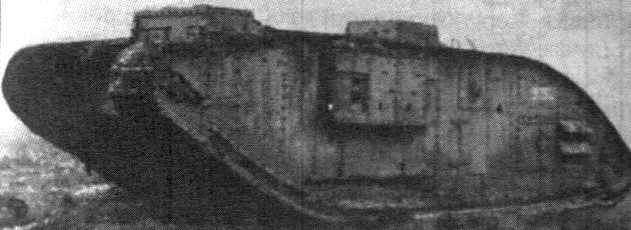
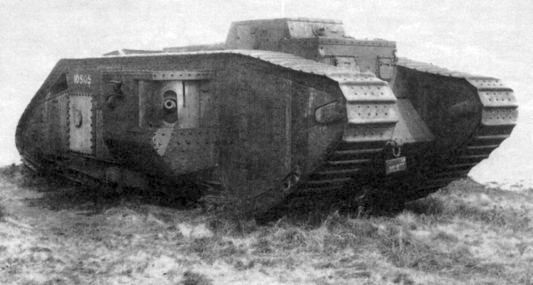
The heavy tank Mk.V*
The 1st tank-versus-tank battles.
24th april 1918 near Villers-Bretonneux. It was unexpected meeting engagement: three German A7Vs versus three British Mk.IVs (2
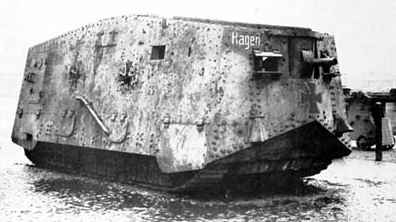 females and 1 male). British female tanks took some damages and left the
battlefield. But the last Mark IV chooses the tactic, which became the classic
one during the next 50 years: constant maunevering and fire from short stop.
So, in spite of German superiority in number, firepower, armour, speed
experienced British crew could achieve the draw: one of A7Vs got 3 hits and
was immobilized, 5 men killed; the rest of the crew left the tank.
(but the Germans evacuated the damaged tank during the nighttime).
Two other German tanks ran from the battlefield. The male Mk.IV was immobilized too.
females and 1 male). British female tanks took some damages and left the
battlefield. But the last Mark IV chooses the tactic, which became the classic
one during the next 50 years: constant maunevering and fire from short stop.
So, in spite of German superiority in number, firepower, armour, speed
experienced British crew could achieve the draw: one of A7Vs got 3 hits and
was immobilized, 5 men killed; the rest of the crew left the tank.
(but the Germans evacuated the damaged tank during the nighttime).
Two other German tanks ran from the battlefield. The male Mk.IV was immobilized too.On the same day, one of the left A7Vs met seven Mk.As. The German tank killed one Whippet and damaged three ones (three more Whippets were destroyed by the German artillery). The battle result isn't amazing - the victory is on the big gun side, the number of helpless Mk.As wasn't matter.
On 8th October 1918 four British Mk.IVs met also four German (captured) Mk.IVs. Both sides took losses and retreated.
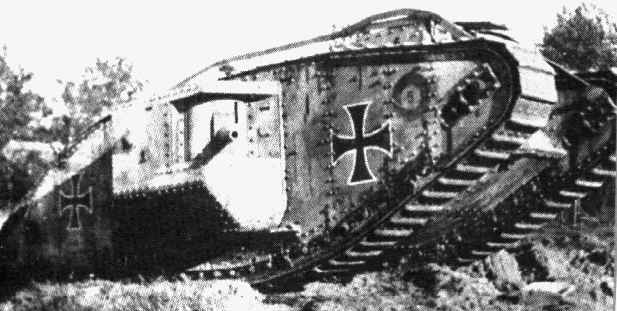
The heavy tank Mark IV pressed into the German service
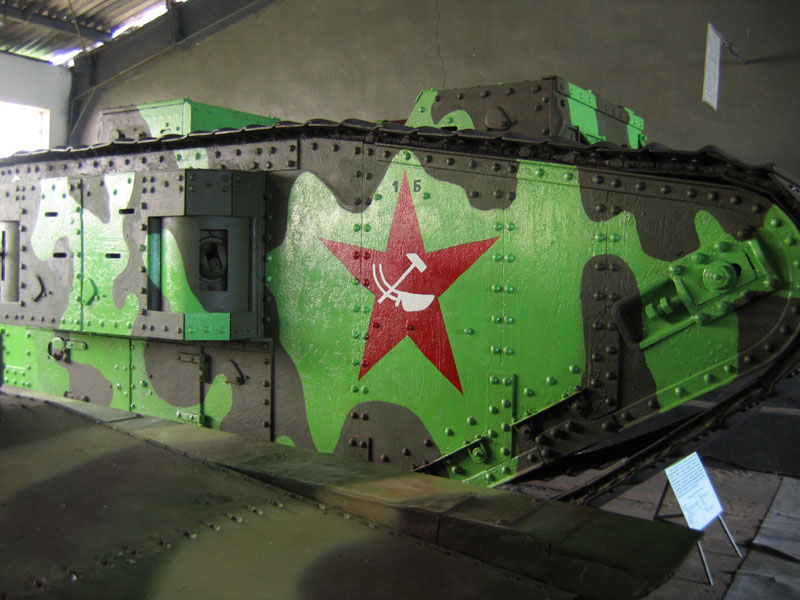


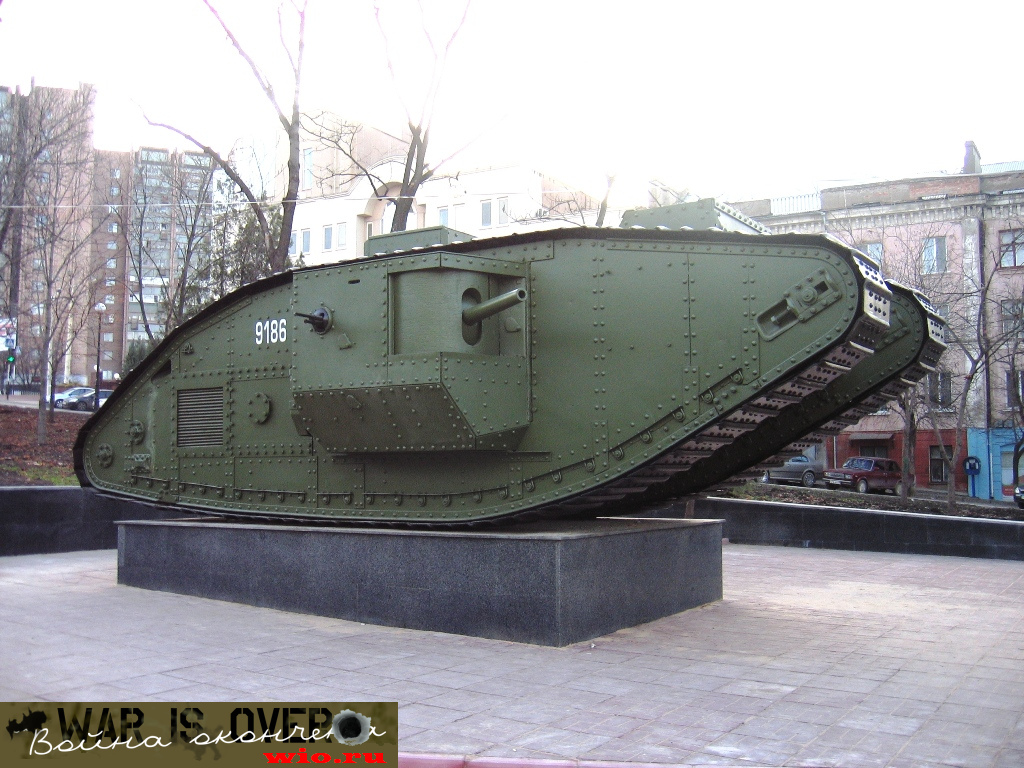
 The big photos of this Mk.V "composite" tank
 Specifications of the tanks
 WW1 Armored Cars


